Inside the Orlan Spacesuit
М. Соловьёв28 July 20268 min read
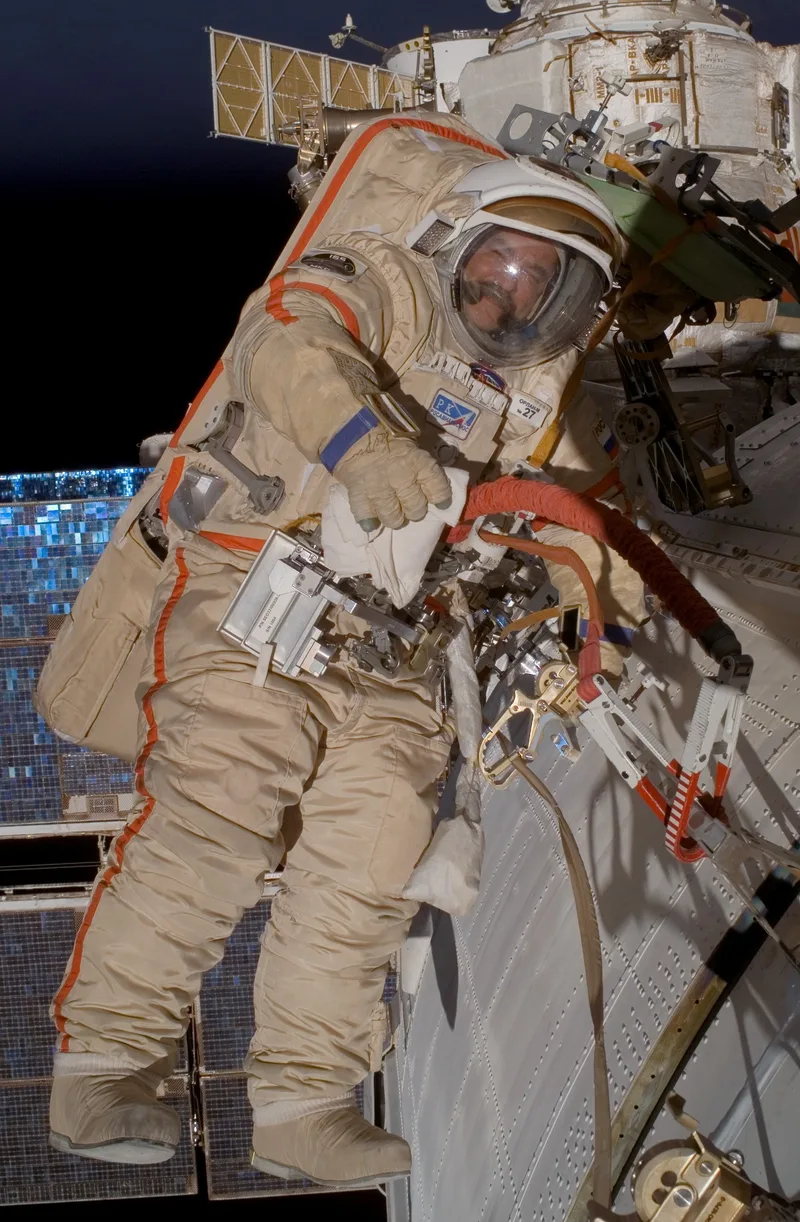
A semi-rigid torso, a hatch in the back and gloves that required inventing a separate engineering discipline.
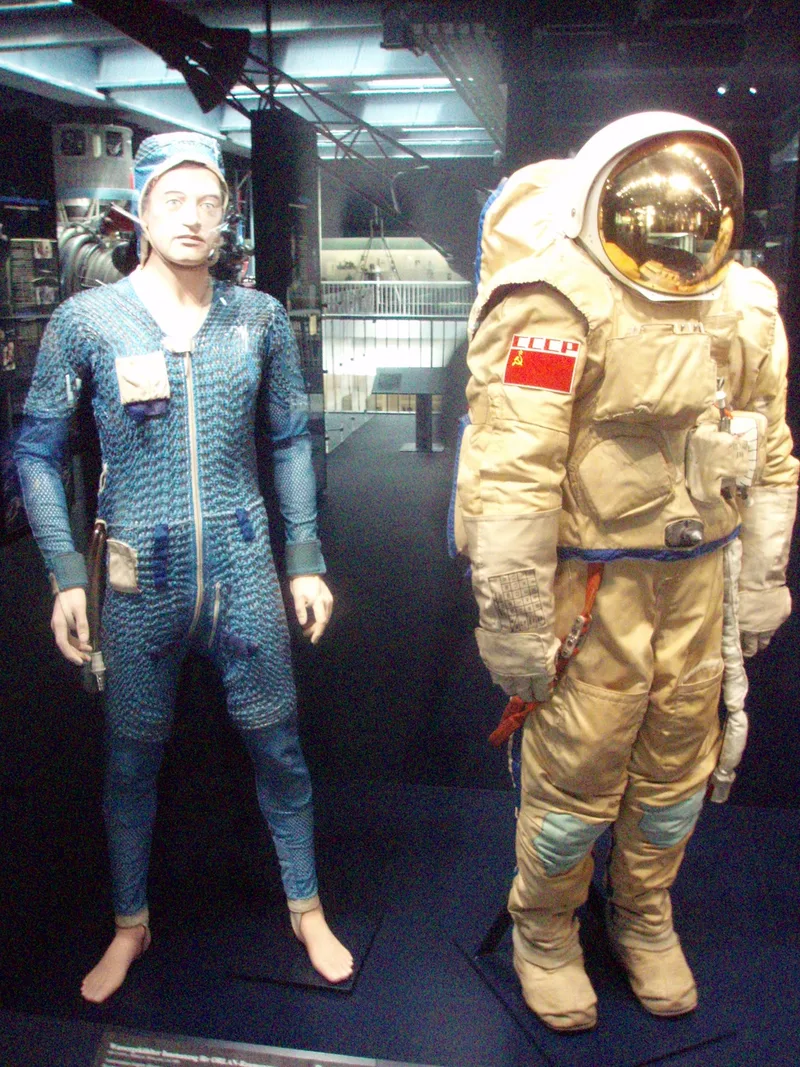
A suit for work outside a spacecraft is not clothing but a small spaceship. It must hold pressure, remove heat and moisture, shield against radiation and micrometeoroids, carry communications and still let a human work with their hands for hours on end.
The key design decision of the Orlan is a rigid torso with an entry hatch in the back. The cosmonaut steps into the suit as into a wardrobe and closes the lid, on which the life-support backpack is mounted. Donning takes five minutes instead of half an hour and needs no assistant — critical if your partner is already outside.
The second decision is universal sizing. Arms and legs adjust by lacing, so a station keeps two or three universal suits rather than individual sets for each crew member. That saves volume, which in orbit costs more than mass.
The hardest component is the gloves. Internal pressure inflates them and tries to straighten the fingers: every grip takes effort. Over a six-hour excursion the hands tire more than the rest of the body, and it is the forearms, not the legs, that decide when work must end. The answer is corrugated folds at the joints, a cable system compensating inflation and a sealed bearing letting the wrist rotate freely.
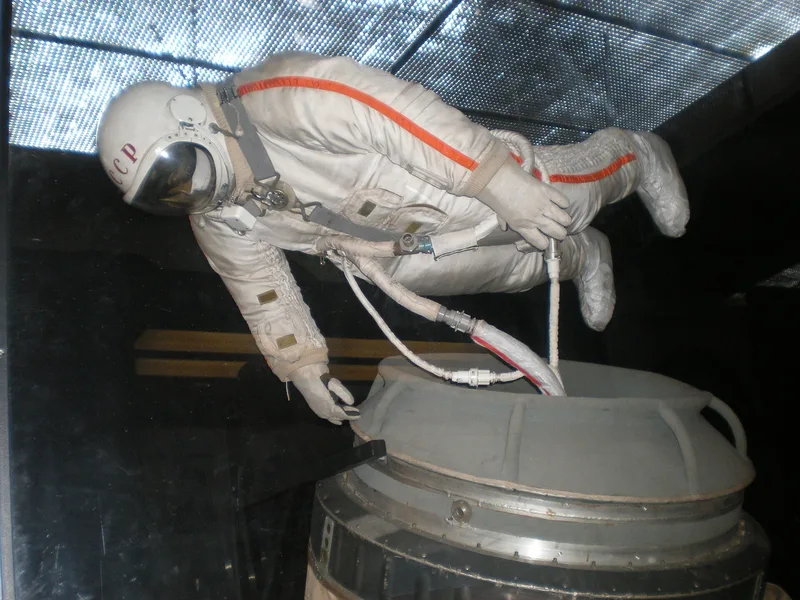
Compare the Orlan with the Berkut of 1965 standing in the same hall, and you see how much engineering fits between Leonov's first excursion and modern work outside a station. On the Berkut, shell mobility was such that the inflated suit would not fit through the hatch. In the Orlan a cosmonaut works with tools for six hours.